

A New Chapter; From High School to University
What Should Students Really Expect?
As a student, you have crossed the hurdle of being accepted into university through your hard work, and determination. Now, it’s time for you to select universities, and prepare for the next four to five years of your life, which can be nerve-racking. And that is okay! Everybody is nervous and anxious when they step into this part of their life, and preparing for it is the best way to calm those feelings!
So, here are a few things you can expect in your university career! You might be thinking, “Why do I need to prepare? I already have experience with high school.” Although your high school experience will help greatly, university is very different. This blog covers some of the surface-level differences between high school and university to help you start your preparations.
Social Life & Growth
University offers a wide variety of experiences and social opportunities. Students are able to meet people from diverse backgrounds and countries. They have the chance to explore clubs, organizations, and new interests. In high school, students often interact with the same group of people every day, and friendships can form naturally through shared classes and routines. In university, students may only see classmates once or twice a week, and building connections requires more initiative. This can feel intimidating at first, but it also encourages students to step outside their comfort zones. Joining clubs, attending events, and participating in study groups are great ways to meet people with similar interests and create a sense of belonging.
University is also a time when many students experience significant personal growth. With increased independence comes the opportunity to make decisions about priorities, goals, and values. Students learn how to manage challenges, handle setbacks, and adapt to new situations on their own. These experiences help build confidence, resilience, and self-awareness. Over time, students not only grow academically but also develop important life skills that shape their future careers and personal lives.
Academic Differences
One of the largest and most obvious differences between high school and university is the academics and class structure. For instance, class sizes in high school are usually small, with around 25 to 30 people in each class. In university, however, you have lectures instead, with around 200 to 300 people (especially during the first few years). Not only does this result in less supervision from instructors, but also more freedom for students. This means it’s up to the student to determine how they would like to approach their studies: have discipline, or use that freedom poorly by skipping class and falling behind.
Additionally – depending on your major – the workload could increase or decrease. Regardless of your workload, university consists of significant amounts of individual studying. You may start having fewer assignments, but you need to study for exams and tests on your own time, as lectures are generally for teaching new content. Moreover, exams are worth a lot more in university, compared to high school. For instance, some engineering exams can be worth about 80% of your final grade. Without paying attention in lectures and committing to independent study, it is extremely difficult to succeed.

Time Management & Independence
In university, the level of independence given to students increases significantly. For example, in high school, your day is structured; classes run from morning to afternoon, with teachers’ constant reminders about assignments. Your schedule is mostly fixed. In comparison, university operates very differently. You can have a few hours of classes on some days, or have none at all on other days. While this flexibility seems like great freedom at first, it also means that you are fully responsible for managing your time.
Unlike in high school, where most of your learning happens inside the classroom, much of university learning happens outside of it. Lectures are mainly for introducing new concepts, but understanding often requires reviewing notes, textbook readings, and practice questions. Without having a proper study routine, it is easy to fall behind without realizing until exams approach.
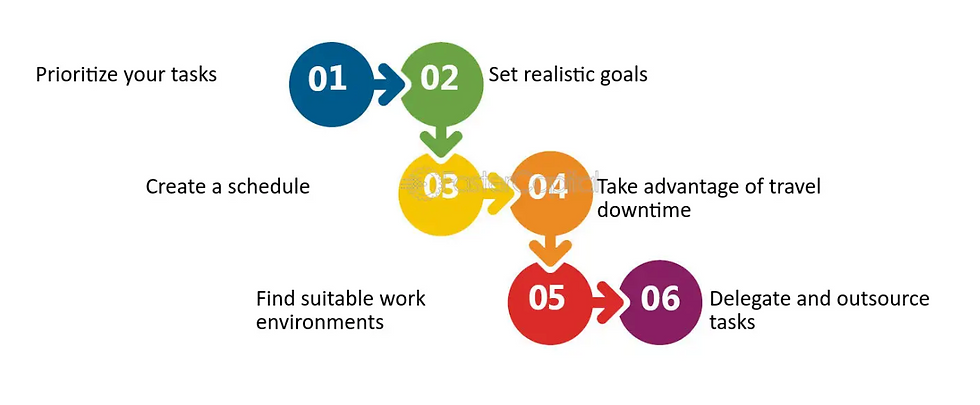
Balancing multiple things at once is a new challenge for many students. Juggling classes, alongside part-time jobs, extracurriculars, and maintaining a social life can help with personal growth; however, it requires honing time-management skills. It becomes important to prioritize tasks, plan ahead, and determine whether to focus on academics over other commitments.
A good idea is to treat university like a full-time job; schedule your study time, review material using active recall, and create a routine. This helps prevent last-minute stress and makes the workload more manageable.
Where can you get support?
University might seem like a different ball game at first, and everything may seem different; however, there are many support systems available. Most universities provide a wide range of support services designed to help students succeed academically and personally. Professors and teaching assistants hold office hours where students can ask questions, review difficult concepts, and get clarification on course material. Academic advisors are also available to help students choose courses, plan their degree, and stay on track for graduation. In addition, many universities offer tutoring centers, writing support, and workshops to help students strengthen their academic skills.

Common myths about University
There are many common myths about university that can create unrealistic expectations for new students. One myth is that university students have a lot of free time because they may have fewer hours of class each day. In reality, much of the learning happens outside the classroom through studying, completing assignments, and preparing for exams. Another myth is that everyone else is more confident or better prepared, which can lead to feelings of self-doubt. However, many students experience the same uncertainties and challenges, especially in their first year. It is also often assumed that students must handle everything on their own, but universities offer many resources and support systems to help students succeed. Understanding these myths can help students approach university with a more realistic and confident mindset.
Final Notes
Although at first, university might seem scary or overwhelming, understanding the differences can make the adjustment much smoother. University offers more freedom, independence, and opportunities for personal growth. While the structure and support systems may look different from high school, resources and help are always available for students who seek them out. Most importantly, students should remember that adjusting takes time, and it is normal to face challenges along the way. With the right mindset, preparation, and willingness to ask for help, university can be a rewarding experience that helps students grow academically, personally, and professionally. RESEARCH! RESEARCH! RESEARCH!
Written By: Krisha L
Sources
https://www.youtube.com/watch?v=5BdOhC20QSs - lots of similar YouTube videos for Students


Comments